
Jannik Sinner Height and Weight: Complete Guide to His Physical Stats and Fitness
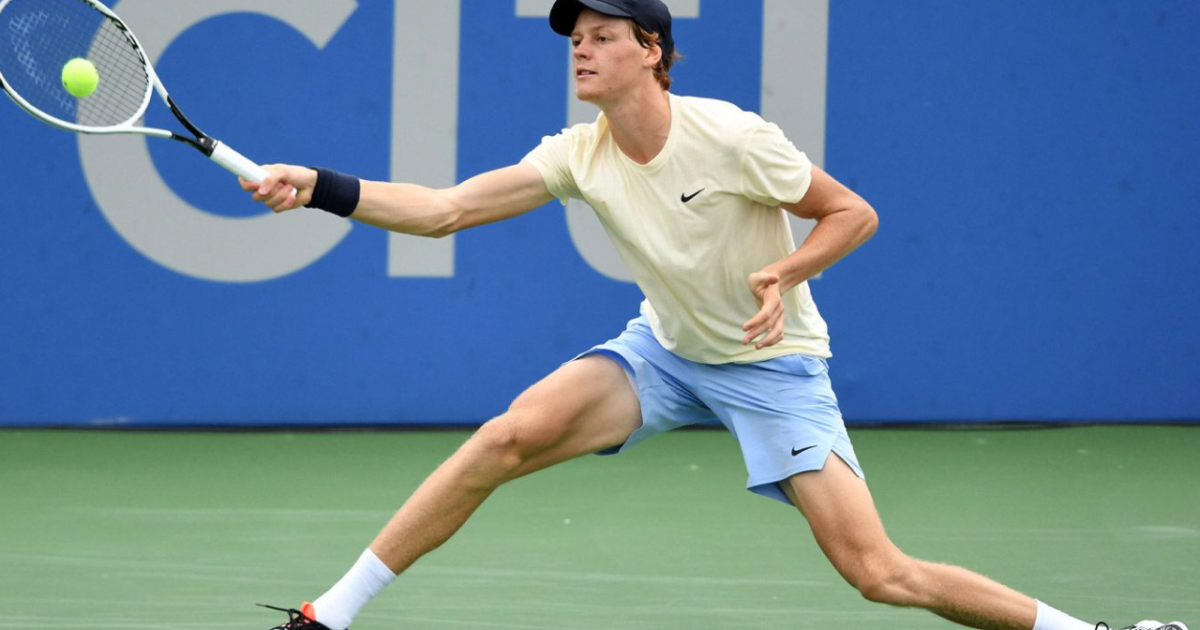
Jannik Sinner height and weight are among the most searched topics by tennis fans. His tall frame, lean build, and athletic movement play a major role in his success on the court. From powerful serves to quick footwork, every part of his physique supports his playing style.
Jannik Sinner is one of the brightest stars in modern tennis. His impressive performances in Grand Slam tournaments have made millions of fans curious about his physical measurements, training routine, and fitness secrets.
In this guide, you’ll learn Jannik Sinner’s official height and weight, how his body helps his game, and why his physical fitness gives him an edge over many top-ranked players.

Quick Facts
| Information | Details |
|---|---|
| Full Name | Jannik Sinner |
| Height | 1.91 m (6 ft 3 in) |
| Weight | Approximately 76 kg (167 lbs) |
| Date of Birth | August 16, 2001 |
| Nationality | Italian |
| Profession | Professional Tennis Player |
| Plays | Right-handed (Two-handed backhand) |
| Turned Professional | 2018 |
Jannik Sinner Height and Weight Overview
Jannik Sinner has the ideal build for modern professional tennis. Standing at 6 feet 3 inches (1.91 meters) and weighing around 76 kilograms (167 pounds), he combines height, reach, speed, and agility.
Unlike many players who rely mainly on power, Sinner balances strength with movement. His lean physique allows him to change direction quickly while still generating tremendous pace on both his forehand and backhand.
His body type is often described as athletic rather than bulky. This helps him stay fast during long rallies and reduces unnecessary strain on his joints during demanding matches.
Why His Physical Build Matters
Professional tennis requires much more than strength.
Players need:
- Fast movement
- Excellent balance
- Strong endurance
- Quick recovery
- Explosive power
Sinner’s height and weight create a balance between these qualities. He can hit powerful groundstrokes while covering the court efficiently.
What Is Jannik Sinner’s Height?
Jannik Sinner’s official height is 1.91 meters, which equals 6 feet 3 inches.
This places him among the taller players on the ATP Tour without being excessively tall. His height gives him several natural advantages while allowing him to maintain outstanding speed around the court.
Benefits of His Height
His height improves many areas of his game.
Better Serve
A higher contact point helps create more speed and angle on serves.
This makes it harder for opponents to return the ball consistently.
Longer Reach
His long arms allow him to reach difficult shots.
He can defend wide balls without losing balance.
More Court Coverage
Although tennis depends heavily on footwork, longer strides help Sinner move efficiently from baseline to baseline.
Stronger Groundstrokes
His height allows him to strike the ball from a higher position.
This creates deeper, heavier shots with excellent topspin.
Is 6’3″ an Ideal Height for Tennis?
Many successful ATP players stand between 6 feet 1 inch and 6 feet 4 inches.
This height range offers an excellent combination of:
- Powerful serves
- Good mobility
- Strong defensive reach
- Efficient movement
Sinner fits perfectly within this range, making his height one of his greatest physical assets.

What Is Jannik Sinner’s Weight?
Jannik Sinner weighs approximately 76 kilograms, or 167 pounds.
His weight has changed slightly over the years as he has developed physically, but he continues to maintain a lean and athletic build.
Unlike bodybuilders or power athletes, professional tennis players focus on functional strength rather than muscle size.
Sinner’s training emphasizes speed, endurance, flexibility, and explosive movement instead of adding unnecessary body mass.
Why His Weight Works So Well
His weight complements his height perfectly.
The result is excellent balance between strength and agility.
Some key benefits include:
- Faster acceleration
- Better stamina during five-set matches
- Reduced fatigue
- Improved recovery
- Easier movement around the baseline
- Better balance while hitting powerful shots
This combination allows Sinner to stay competitive throughout long tournaments without sacrificing speed.
Lean Muscle Over Bulk
One noticeable feature of Sinner’s physique is his lean muscle mass.
His body is built for performance.
Instead of carrying extra muscle, he focuses on:
- Core stability
- Leg strength
- Shoulder mobility
- Explosive power
- Cardiovascular endurance
These qualities are far more valuable in professional tennis than simply increasing body weight.
How Jannik Sinner Maintains His Athletic Build
Maintaining elite fitness requires daily discipline.
Throughout the season, Sinner follows a structured routine that includes technical practice, physical conditioning, recovery sessions, and careful nutrition.
His weekly program generally focuses on:
- Tennis practice
- Speed drills
- Strength training
- Mobility exercises
- Stretching sessions
- Recovery work
- Proper hydration
- Balanced meals
This consistent approach helps him stay in top condition during the demanding ATP calendar.

Does Jannik Sinner’s Height Affect His Playing Style?
Yes. His height influences nearly every part of his game.
He uses his long reach to attack from the baseline while still defending effectively.
His powerful serve often gives him easy points, while his movement allows him to transition quickly between offense and defense.
Unlike some taller players who struggle with footwork, Sinner has developed exceptional court movement.
This combination makes him one of the most complete athletes on the ATP Tour.
How Jannik Sinner’s Height Improves His Tennis Performance
Jannik Sinner’s height is more than just a physical measurement. It is one of the biggest reasons he performs so well against the world’s best players.
At 6 feet 3 inches (1.91 meters), he can generate power without sacrificing movement. His body allows him to play an aggressive style while staying quick around the court.
Instead of relying on one strength, Sinner uses his height to improve every part of his game.
A More Powerful Serve
A tall player naturally contacts the ball from a higher point.
This creates a sharper serving angle and allows the ball to travel faster into the service box.
For Sinner, this means:
- More first-serve power
- Better placement
- More aces
- Fewer attackable returns
His serve has become one of the strongest weapons in his game. It often helps him win easy points, especially during important moments.
Greater Reach at the Baseline
Modern tennis is played at an incredible pace.
Players must react within fractions of a second.
Sinner’s long reach allows him to return difficult shots that many players cannot reach comfortably.
This helps him:
- Defend wide balls
- Stretch for low shots
- Return powerful serves
- Stay balanced under pressure
His reach also reduces unnecessary movement, helping him conserve energy during long matches.
Better Court Coverage
Although taller athletes usually take longer strides, Sinner combines that advantage with excellent footwork.
His movement is one of the biggest reasons analysts consider him one of the most complete players on the ATP Tour.
He moves efficiently because he focuses on:
- Small adjustment steps
- Fast first movement
- Strong balance
- Smooth recovery after every shot
This allows him to defend deep shots and quickly return to an attacking position.
More Power From the Ground
Height gives Sinner additional leverage when hitting groundstrokes.
His forehand is especially dangerous because he strikes the ball from a high contact point while rotating through the shot with excellent timing.
The result is:
- Heavy topspin
- Deep shots
- Higher ball speed
- Consistent power
His backhand also benefits from this technique, making it one of the most reliable two-handed backhands in professional tennis.

Why Jannik Sinner’s Weight Is Ideal for Professional Tennis
Weight is just as important as height.
Carrying too much muscle can reduce speed.
Being too light can reduce power and stability.
Sinner has found an excellent balance.
At around 76 kilograms (167 pounds), he has enough strength to compete physically while remaining light enough to move quickly.
This balance supports every aspect of his game.
Speed Without Losing Strength
One of Sinner’s greatest qualities is acceleration.
He can sprint toward difficult shots while maintaining control.
His lean build helps him:
- Change direction quickly
- Recover after wide shots
- Maintain speed during long rallies
- Stay explosive throughout a match
This combination is difficult to achieve and requires years of careful physical preparation.
Endurance for Long Matches
Grand Slam matches can last more than four hours.
Players need outstanding endurance to maintain a high level throughout the match.
Sinner’s athletic build helps reduce fatigue.
Instead of carrying unnecessary weight, his body is optimized for efficiency.
This allows him to:
- Recover faster between points
- Stay focused in later sets
- Maintain stroke quality
- Continue moving aggressively
Lower Risk of Injury
Professional tennis places constant stress on the knees, ankles, hips, shoulders, and lower back.
Maintaining a healthy playing weight helps reduce pressure on these joints.
Sinner’s conditioning program focuses on:
- Joint stability
- Core strength
- Flexibility
- Mobility
- Recovery
These areas are essential for staying healthy during a long ATP season.
Jannik Sinner’s Fitness Routine
Elite performance does not happen by chance.
Behind every tournament is a carefully planned training schedule.
Sinner works on both technical skills and physical conditioning throughout the year.
His training changes depending on the tournament schedule, but several elements remain consistent.
On-Court Practice
Most training sessions begin with tennis-specific drills.
These include:
- Serve practice
- Baseline rallies
- Return drills
- Volley work
- Match simulations
The goal is to improve consistency while maintaining match intensity.
Strength Training
Strength training helps Sinner generate power without becoming overly muscular.
His workouts focus on functional movement rather than appearance.
Common training areas include:
- Legs
- Core
- Shoulders
- Back
- Hips
Exercises often involve bodyweight movements, resistance training, medicine balls, and explosive lifts.
The emphasis is always on athletic performance.
Speed and Agility Training
Quick movement separates great players from good players.
Sinner spends significant time improving:
- Reaction speed
- Footwork
- Balance
- Lateral movement
- Acceleration
Agility ladders, cone drills, sprint intervals, and reaction exercises help sharpen these skills.
Flexibility and Mobility
Flexibility is essential in modern tennis.
Players frequently stretch for wide shots while rotating their bodies at high speed.
To maintain mobility, Sinner regularly performs:
- Dynamic stretching
- Mobility exercises
- Hip activation
- Shoulder mobility work
- Recovery stretching
These sessions help improve movement and reduce injury risk.
Jannik Sinner’s Diet Plan
Training alone is not enough.
Nutrition plays a major role in athletic performance.
Sinner follows a balanced eating plan designed to support energy, recovery, and muscle maintenance.
Instead of extreme diets, professional athletes usually focus on consistency.
High-Quality Protein
Protein supports muscle recovery after training and matches.
Common protein sources include:
- Chicken
- Fish
- Eggs
- Lean meat
- Dairy products
These foods help repair muscle tissue after demanding workouts.
Complex Carbohydrates
Carbohydrates provide the fuel needed for long matches.
Healthy carbohydrate sources often include:
- Rice
- Pasta
- Potatoes
- Oats
- Whole grains
These foods supply steady energy throughout training sessions.
Fruits and Vegetables
Fresh fruits and vegetables provide important vitamins, minerals, and antioxidants.
They also support recovery and overall health during a long tennis season.
Staying Hydrated
Hydration is critical in professional tennis.
Long matches can lead to significant fluid loss.
Sinner regularly replaces fluids and electrolytes before, during, and after competition to maintain performance.
Recovery Is Just as Important as Training
Recovery allows the body to adapt after intense exercise.
Without proper recovery, performance gradually declines.
Sinner’s recovery routine typically includes:
- Quality sleep
- Stretching
- Massage therapy
- Ice baths when needed
- Recovery workouts
- Proper nutrition
- Hydration
These habits help him stay physically prepared for back-to-back matches throughout the season.
Jannik Sinner Height and Weight Compared With Other Top Tennis Players
Jannik Sinner has the physical profile of a modern ATP champion. His combination of height, lean muscle, and athletic movement allows him to compete with the best players in the world.
While every elite player has a different style, comparing their physical measurements helps explain why they perform differently on the court.
Height and Weight Comparison
| Player | Height | Weight |
|---|---|---|
| Jannik Sinner | 6 ft 3 in (1.91 m) | 167 lbs (76 kg) |
| Carlos Alcaraz | 6 ft 0 in (1.83 m) | 163 lbs (74 kg) |
| Novak Djokovic | 6 ft 2 in (1.88 m) | 170 lbs (77 kg) |
| Rafael Nadal | 6 ft 1 in (1.85 m) | 187 lbs (85 kg) |
| Roger Federer | 6 ft 1 in (1.85 m) | 187 lbs (85 kg) |
Although Sinner is one of the tallest players in this group, he is also among the leanest. This balance allows him to move quickly without losing the power needed to compete at the highest level.
Jannik Sinner vs Carlos Alcaraz
Jannik Sinner and Carlos Alcaraz have developed one of the most exciting rivalries in modern tennis. Their matches are often close, but their physical profiles are noticeably different.
Sinner is around 3 inches (8 cm) taller than Alcaraz.
That extra height gives him:
- A higher serving contact point
- Longer reach
- More leverage on groundstrokes
- Greater coverage at the net
Alcaraz, on the other hand, has a slightly more compact build. His lower center of gravity helps him change direction extremely quickly and produce explosive acceleration.
Both body types are highly effective. Their success shows there is no single ideal physique for professional tennis.
Jannik Sinner vs Novak Djokovic
Many tennis experts compare Sinner’s movement to Novak Djokovic’s because both players combine power with exceptional court coverage.
Djokovic is slightly shorter but carries a little more weight.
Both players focus on:
- Flexibility
- Core strength
- Endurance
- Balance
- Mobility
Where Djokovic relies heavily on flexibility and defensive skills, Sinner often uses his additional height to generate more power on attacking shots.
Jannik Sinner vs Rafael Nadal
Rafael Nadal built his career around incredible strength and intensity.
Compared with Nadal, Sinner has a much leaner frame.
Nadal’s heavier build helped him generate explosive topspin and physical dominance, especially on clay courts.
Sinner takes a different approach.
His lighter body allows him to:
- Recover faster
- Stay quick during long rallies
- Move efficiently on all court surfaces
- Reduce physical strain over long tournaments
This reflects the changing demands of today’s faster style of tennis.
Jannik Sinner vs Roger Federer
Roger Federer was known for making tennis look effortless.
Like Federer, Sinner relies on smooth movement instead of excessive muscle mass.
Both players use:
- Excellent timing
- Efficient footwork
- Fluid movement
- Clean shot mechanics
Although their playing styles differ, both demonstrate that smart movement can be just as valuable as raw physical strength.
Jannik Sinner’s Body Measurements
While height and weight receive the most attention, they are only part of an athlete’s physical profile.
Sinner’s body is designed for performance rather than appearance.
Key characteristics include:
- Tall athletic frame
- Lean muscle mass
- Long arms for improved reach
- Powerful legs for acceleration
- Strong core for stability
- Flexible shoulders for serving and groundstrokes
This balanced physique helps him compete at a consistently high level throughout the ATP season.
Lean Muscle Supports Performance
Professional tennis demands repeated bursts of speed, power, and endurance.
Instead of focusing on large muscles, Sinner develops functional strength.
This allows him to:
- Stay light on his feet
- Generate racquet-head speed
- Recover quickly after intense rallies
- Maintain energy over long matches
His body is built for efficiency rather than size.
How Jannik Sinner’s Physique Has Changed Over the Years
When Sinner entered the professional tour, he was noticeably slimmer than many of his competitors.
As he gained experience, his fitness team focused on building strength without sacrificing mobility.
Over several seasons, he gradually developed:
- Stronger legs
- Improved core stability
- Greater upper-body strength
- Better endurance
- Enhanced balance
These improvements helped him compete more consistently against physically stronger opponents.
Early Career
During his first ATP seasons, Sinner relied mainly on natural talent, timing, and clean ball striking.
His lean frame allowed him to move well, but he was still developing physically.
Continued Physical Development
As competition became more demanding, he increased his focus on strength and conditioning.
Rather than adding excessive weight, he built quality muscle that improved both power and stability.
This gradual progress has contributed to his rise among the world’s best tennis players.
Why Physical Fitness Matters in Modern Tennis
Today’s game is faster and more demanding than ever.
Players must compete through long tournaments while maintaining peak performance.
Elite fitness provides several advantages:
- Better recovery between matches
- Improved movement
- Greater consistency
- Reduced injury risk
- Higher endurance
- More explosive power
Sinner’s commitment to conditioning has become one of the foundations of his success.
The Balance Between Strength and Speed
Many athletes struggle to balance muscle growth with mobility.
Too much weight can reduce speed.
Too little strength can reduce power.
Sinner has achieved an excellent middle ground.
His lean athletic build allows him to hit powerful shots while remaining one of the quickest movers on tour.
This balance is one reason why coaches often describe him as the model of the modern tennis player.
Interesting Facts About Jannik Sinner’s Height and Weight
Here are some lesser-known facts about his physical profile:
- Jannik Sinner stands 6 feet 3 inches (1.91 meters) tall.
- His playing weight is approximately 76 kilograms (167 pounds).
- He was originally a successful junior skier before choosing tennis.
- His long wingspan gives him extra reach on defensive shots.
- Despite his height, he is known for exceptional footwork.
- His lean build helps him maintain speed during long rallies.
- His fitness program focuses on performance instead of muscle size.
- He works regularly on flexibility and mobility to prevent injuries.
- His body has become noticeably stronger since turning professional in 2018.
- His physical conditioning allows him to compete at a high level across all court surfaces.
Frequently Asked Questions (FAQs)
How tall is Jannik Sinner?
Jannik Sinner is 6 feet 3 inches (1.91 meters) tall. His height gives him an advantage on serve, reach, and overall court coverage.
How much does Jannik Sinner weigh?
Jannik Sinner weighs approximately 167 pounds (76 kilograms). His lean build helps him stay quick, agile, and powerful during long matches.
Is Jannik Sinner taller than Carlos Alcaraz?
Yes. Jannik Sinner is taller than Carlos Alcaraz. Sinner stands at 6 ft 3 in (1.91 m), while Alcaraz is 6 ft (1.83 m) tall.
Has Jannik Sinner’s weight changed during his career?
Yes. Since turning professional, Sinner has gradually added lean muscle through strength training and nutrition. His goal has been to improve power and endurance without losing speed or flexibility.
Why is Jannik Sinner so physically fit?
His fitness comes from consistent training, strength workouts, mobility exercises, proper nutrition, recovery sessions, and disciplined preparation throughout the ATP season.
Does height matter in professional tennis?
Height can provide advantages such as a stronger serve and longer reach, but success also depends on movement, timing, technique, mental strength, and overall fitness. Jannik Sinner combines all of these qualities effectively.
Conclusion
Jannik Sinner’s height and weight are key parts of his success, but they tell only part of the story. Standing 6 feet 3 inches (1.91 meters) tall and weighing around 167 pounds (76 kilograms), he has developed a physique that perfectly suits the demands of modern tennis.
His height helps him produce powerful serves, extend his reach, and hit aggressive groundstrokes. At the same time, his lean build allows him to move quickly, recover efficiently, and maintain a high level of performance during long matches.
What truly sets Sinner apart is how he uses his physical attributes alongside technical skill, disciplined training, and mental focus. Instead of relying only on natural talent, he continues to improve every season through smart conditioning and consistent hard work.
As his career progresses, fans can expect his fitness, strength, and overall athleticism to remain major reasons behind his continued success on the ATP Tour.
- ATP Tour Player Profile – https://www.atptour.com/
- International Tennis Federation (ITF) – https://www.itftennis.com/
- Grand Slam Official Website – https://www.grandslamtennis.com.au/
- Olympic Games Athlete Profile – https://olympics.com/
- Tennis Abstract – https://www.tennisabstract.com/


[…] traits and conditioning among top competitors, much like the detailed breakdown seen in the Jannik Sinner height and weight guide. For Alcaraz, reaching the top of his game requires non-stop physical preparation and an […]